The SERENE Project stands for Scientific Evidence for Risk Engineering Norms and Education.
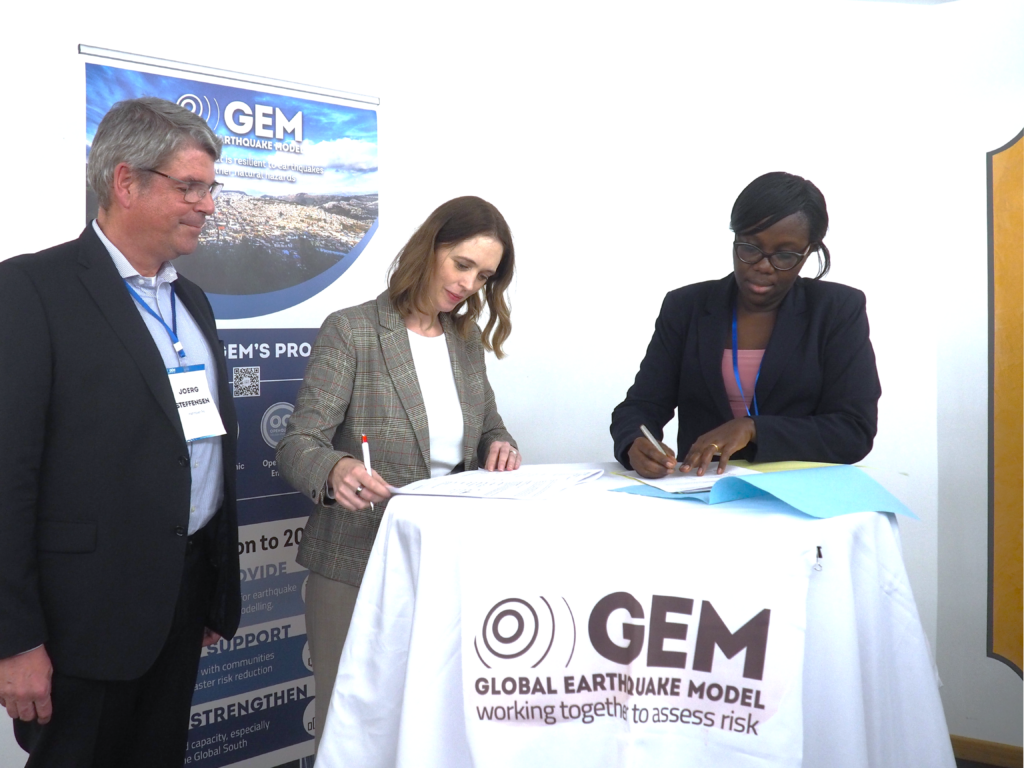
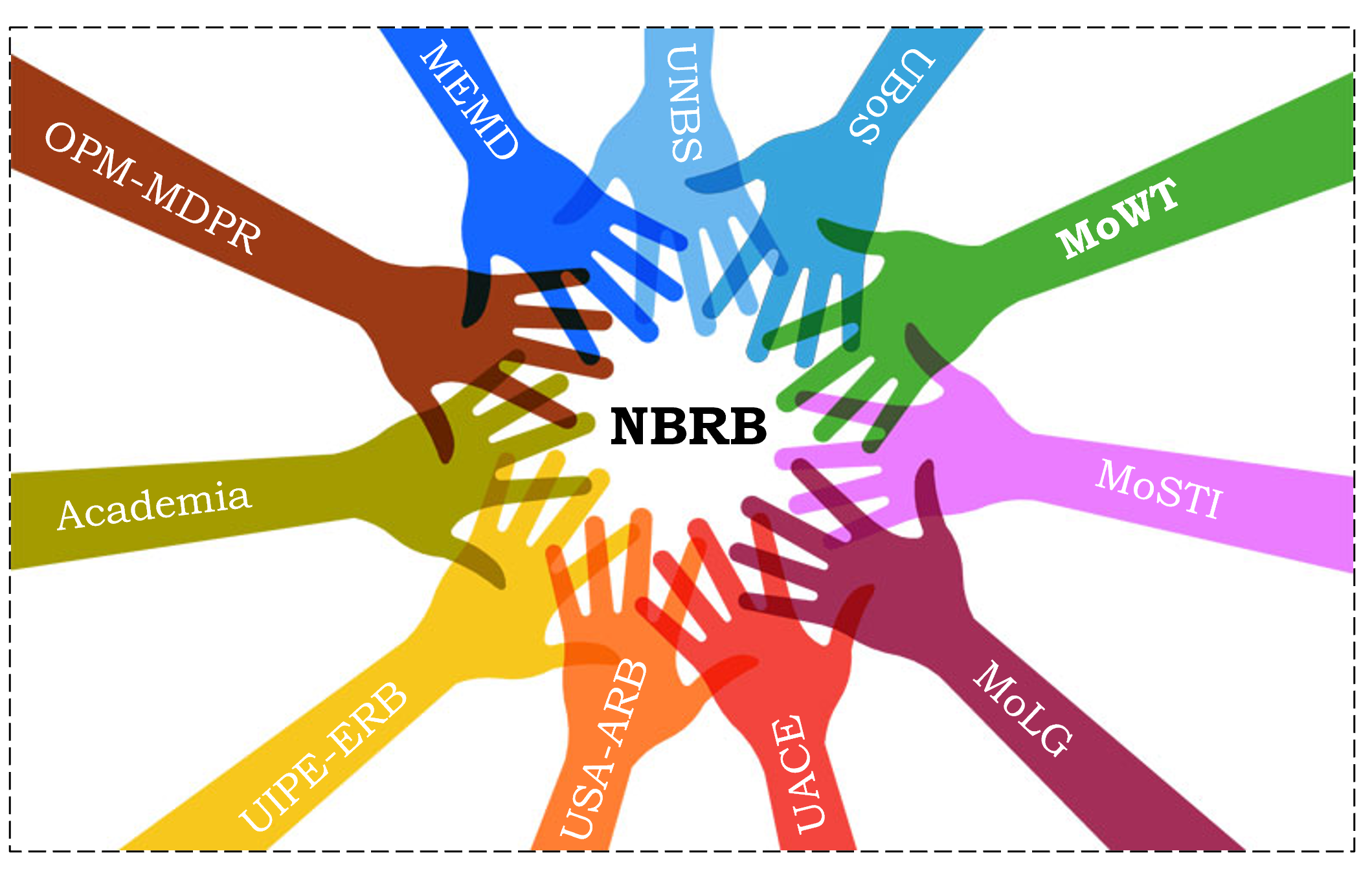
It’s a strategic, public-private partnership between the National Building Review Board (NBRB) and the Global Earthquake Model (GEM) Foundation, a globally recognized authority on seismic hazard and risk modeling.
This multi-year program brings together world-class seismic risk models, technical mentorship, and national policy frameworks to strengthen Uganda’s ability to withstand earthquake-related disasters.
This initiative is all about protecting lives, homes, schools, hospitals, and infrastructure across Uganda by applying world-class science and data to strengthen how we plan, build, and regulate our cities.
While natural hazards cannot be prevented, many building-related disasters—particularly fires and structural failures—are avoidable through improved design, compliance, and enforcement. SERENE integrates both natural and human-induced risks to support a safer and more resilient built environment.
SERENE is not only a seismic risk initiative—it is a national platform for understanding and reducing risks in the built environment, including those arising from fires, building failures, and unsafe construction practices.
Uganda’s urban growth, poor enforcement of building codes, and lack of seismic data made a strong case for action.
Recognizing this, His Excellency the President of Uganda, issued multiple directives for earthquake-resistant construction, retrofitting assessments, and code enforcement.
The SERENE Project is Uganda’s official response: a long-term commitment to using science, data, and collaboration to protect citizens, property, and public infrastructure.
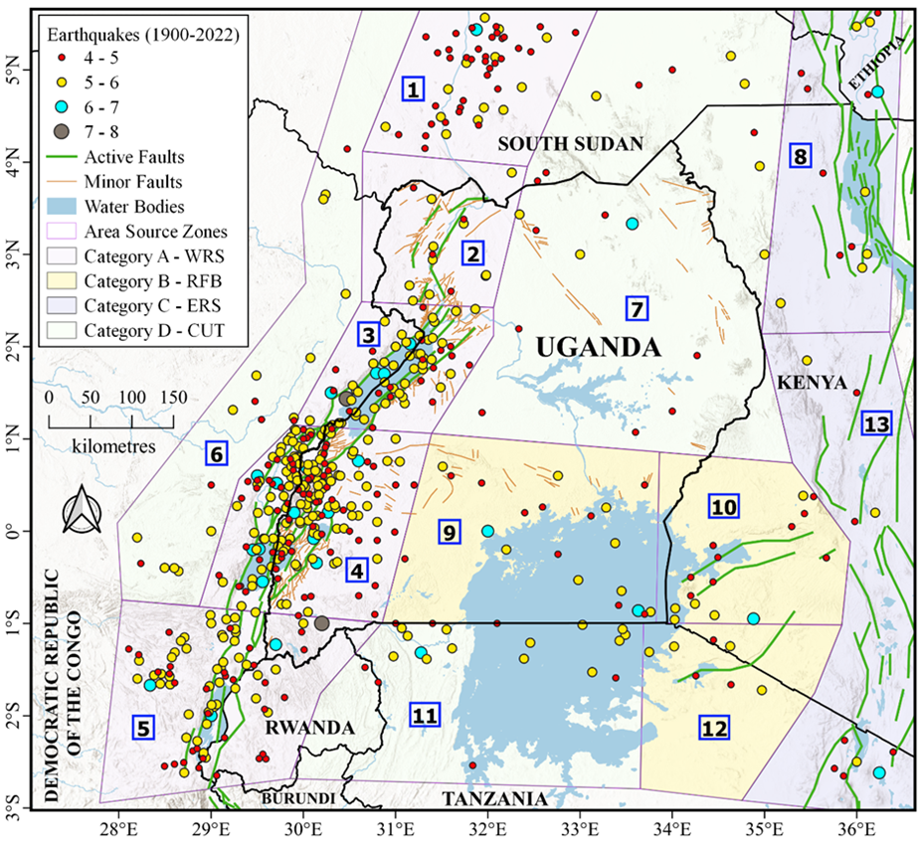
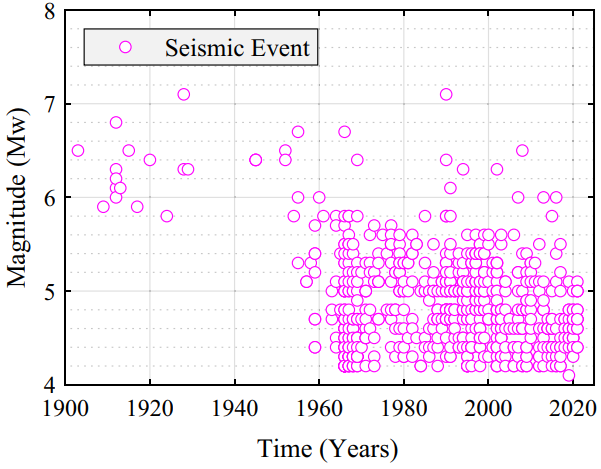
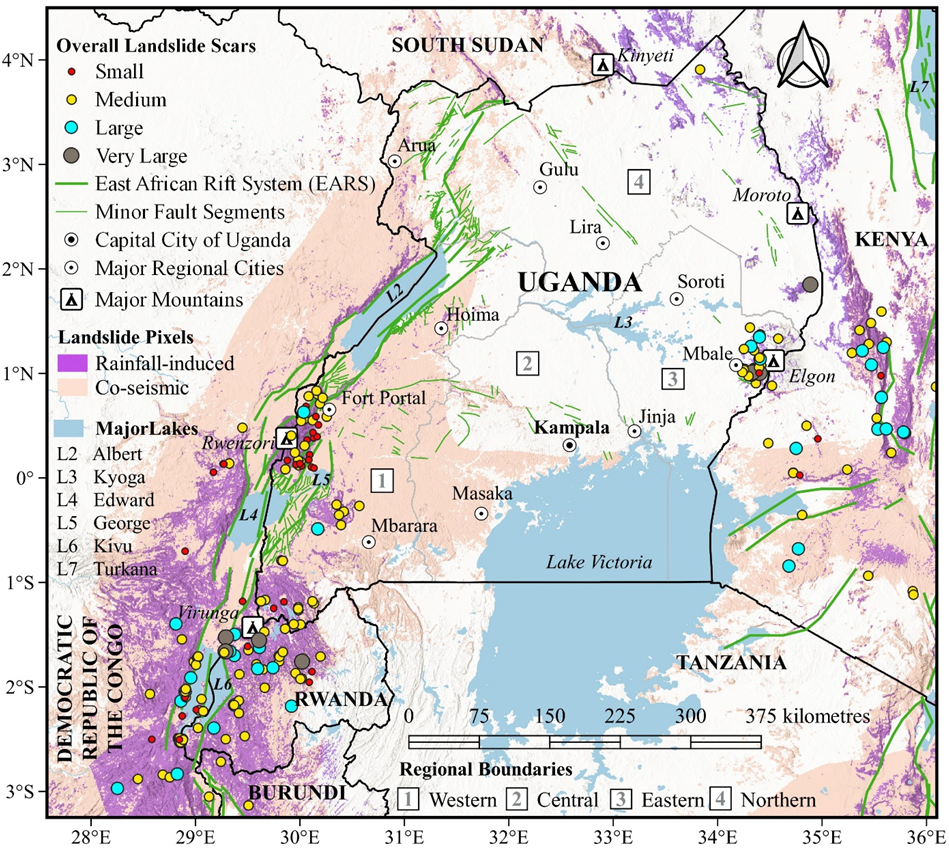
Uganda sits between two arms of the East African Rift System, making earthquakes a real and present threat.
As cities grow and more people move into multi-storey buildings, the risks increase, especially when buildings are not up to standard.The SERENE Project directly responds to Presidential directives demanding earthquake-resilient construction, regular building inspections, and the revision of outdated codes.
By turning these mandates into action, the SERENE Project is building national resilience, not just reacting to disasters.
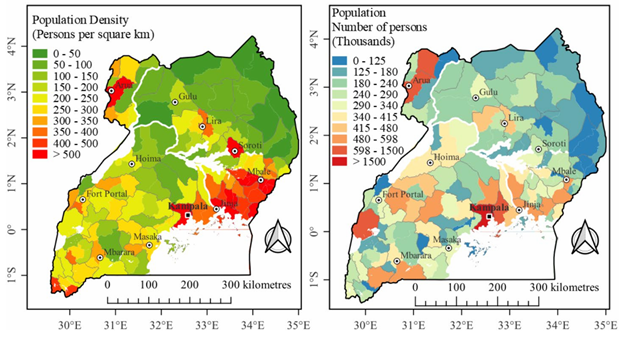
The most densely populated urban areas consist of approximately 200 persons per 100-metre cell grid. In addition to the north-eastern terri tory, which is largely semi-arid, the least populated areas are mostly occupied by game parks and forests. Although most regions around past earthquake epicentres in western Uganda are relatively less populated compared with the central and eastern parts of the country, the growing economic activity and rapid urbanization which has led to the creation of major regional cities (e.g., Fort Portal, Hoima and Mbarara) are likely to increase the human and housing population in these areas, thereby posing increasing seismic risks.
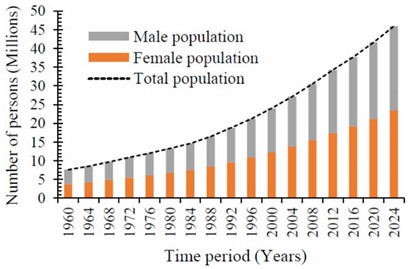
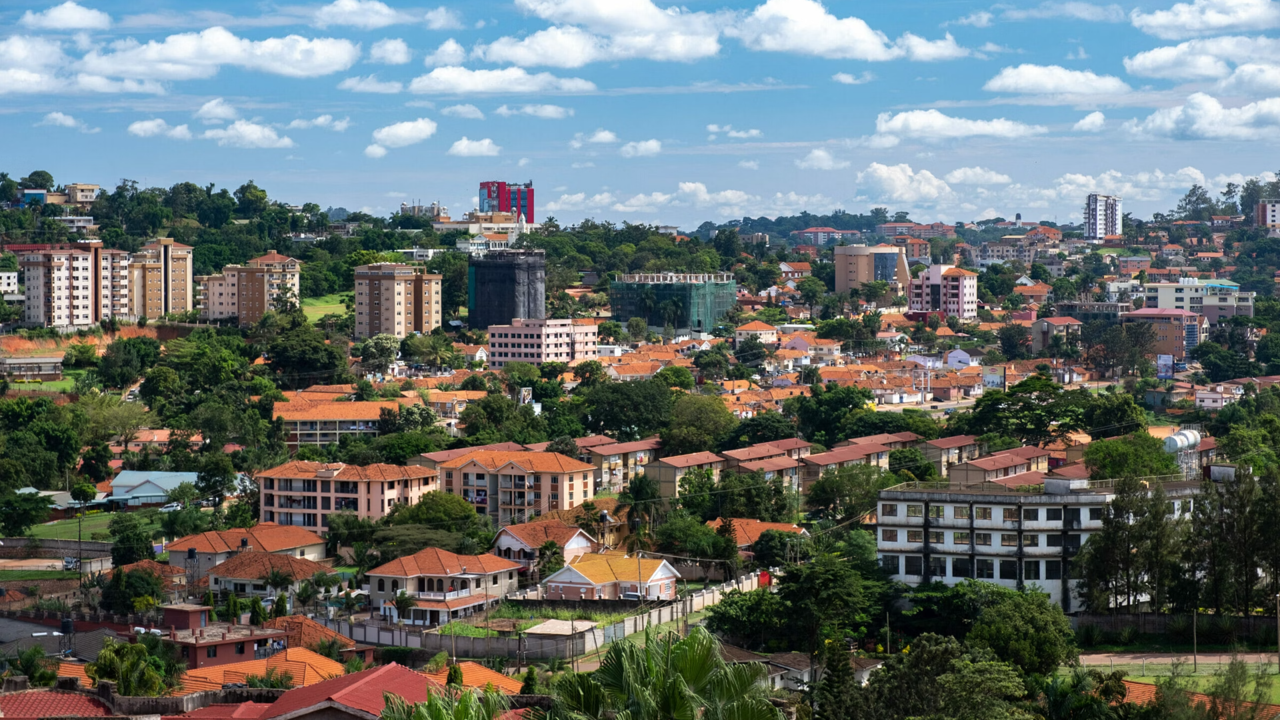
Kampala capital city and its immediate environs comprise the most highly populated areas, followed by the border trade districts and regional cities. With increasing population, urbanisation and rapid construction, seismic risk in the country is escalating fast and is compounded by the high vulnerability of the building stock and inadequate disaster prevention and mitigation strategies. Hence, there is an urgent need to assess Uganda’s resilience against seismic risks.
Addressing Preventable Disasters
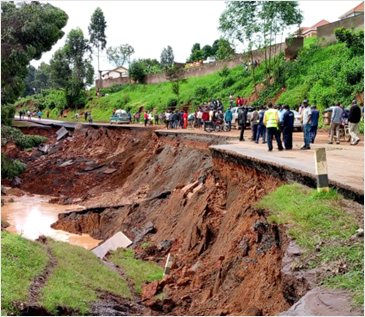
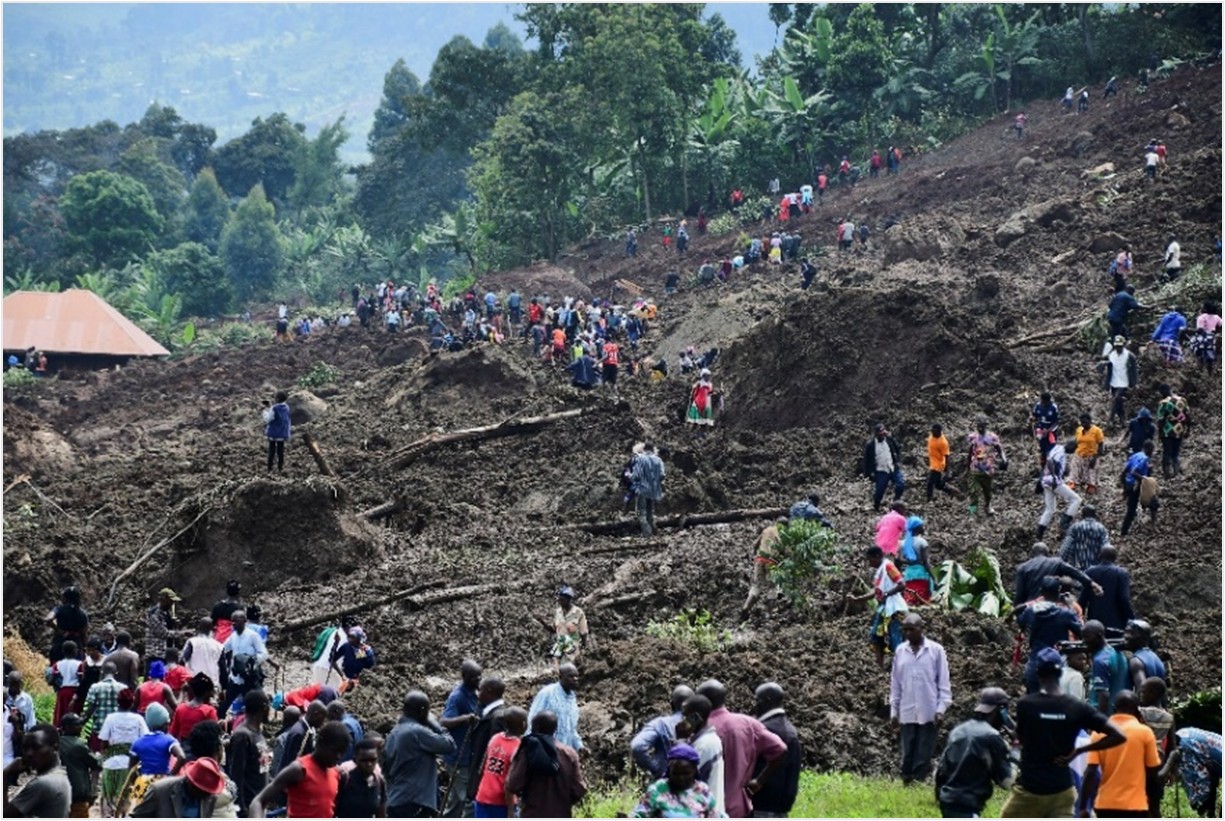
While Uganda is exposed to natural hazards such as earthquakes, landslides, and floods, a significant proportion of risks in the built environment arise from human-induced factors. These include:
Fire as a Critical Urban Risk
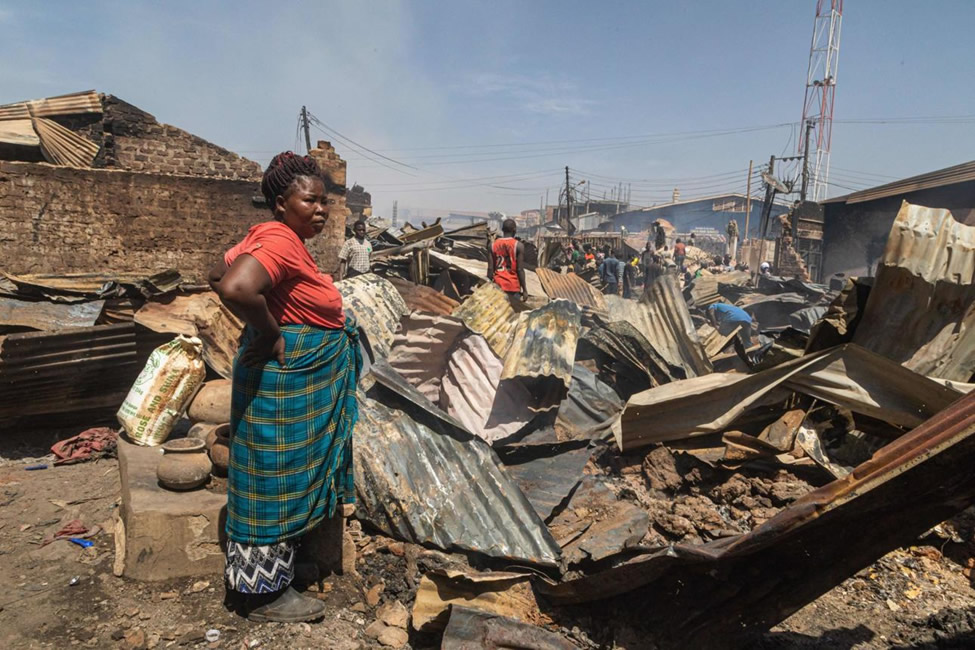
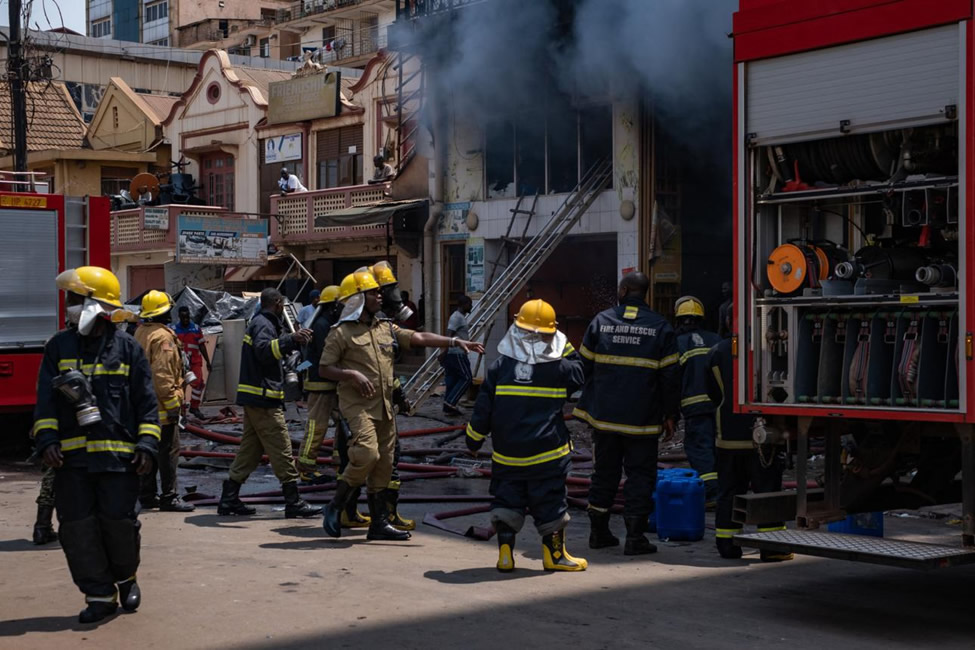
Fire outbreaks represent one of the most frequent and damaging hazards affecting Uganda’s built environment, particularly in urban centres, informal settlements, and public buildings. Common causes include:
These events often result in:
Strengthening Fire Safety through the SERENE project
SERENE will contribute to improving fire safety by:
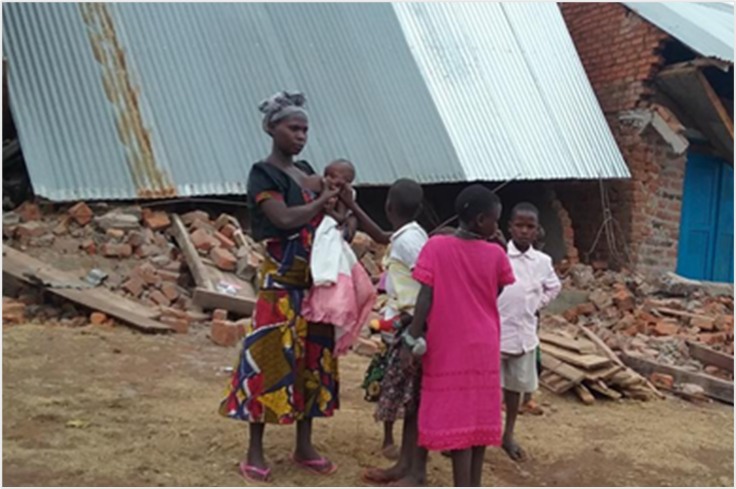
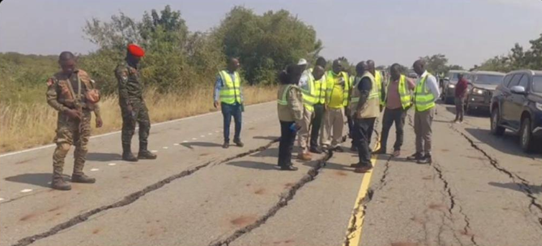
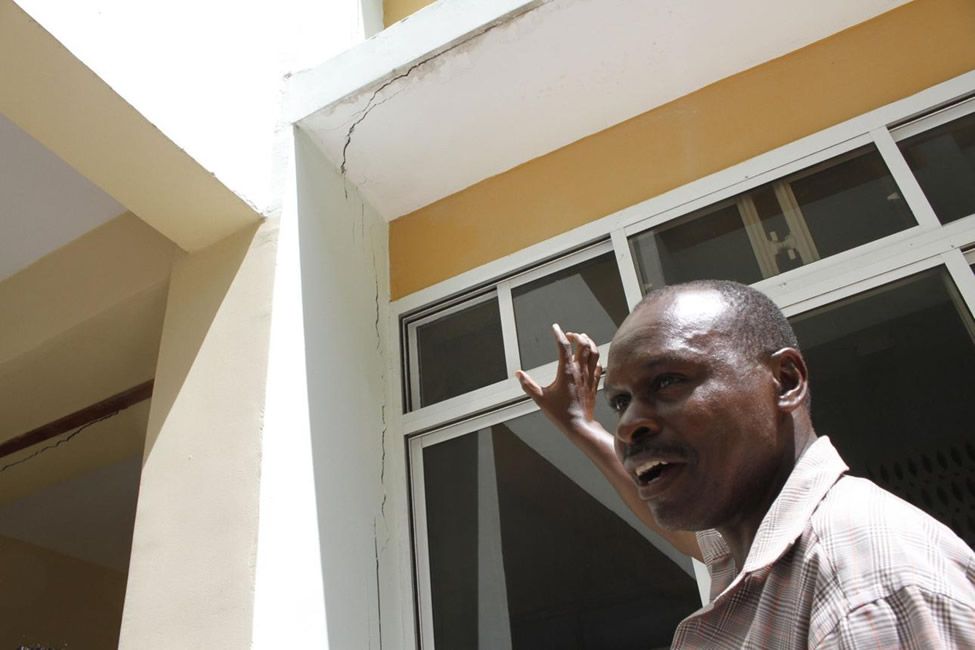
160 deaths, over 13000 injuries, more than 7000 houses destroyed
8 fatalities, economic loss worth US$ 60 million
388 deaths, over 8500 lives affected
11 deaths, > 440 injuries, economic loss in excess of US$ 458 millions
Understanding Structural Failures
Building collapses and structural failures continue to highlight systemic challenges within the construction sector. Investigations have consistently identified:
These failures are often exacerbated by rapid urbanization and the proliferation of non-engineered buildings, particularly in informal settlements
FROM EVIDENCE TO ACTION
SERENE will leverage such evidence to:
This approach enables more comprehensive and realistic risk assessments, supporting better planning, regulation, and investment decisions.
A Multi-Hazard Approach to Building Safety
Traditional risk assessments often focus on natural hazards alone. However, in Uganda, risk is best understood as a combination of:
SERENE therefore adopts a multi-hazard, systems-based approach, integrating:
This approach enables more comprehensive and realistic risk assessments, supporting better planning, regulation, and investment decisions.
Preventing Disasters through Compliance
A key finding across both natural and human-induced disasters is that weak compliance with building standards significantly increases risk.
SERENE will strengthen regulatory systems by:
This partnership is formalized under a 3-year agreement (2025–2028), making Uganda the first African country to be granted full participation in GEM’s strategic governance without financial contribution.
Uganda holds a Governor-level seat on GEM’s board, joining an elite global group shaping earthquake safety policy.
A statutory body established under the Building Control Act, is mandated to promote and ensure planned, decent and safe building structures that are developed in harmony with the environment in Uganda.
Provides open-source software, seismic hazard models, technical mentorship, and access to global risk modelling platforms like OpenQuake.
The SERENE Project addresses seismic risk at every level, from scientific modelling to on-the-ground training. Its key goals include:
All of this aligns with Uganda’s Vision 2040, the National Development Plan (NDP IV), National Disaster Risk Reduction Strategy, Uganda Seismic Code modernization process and the Sustainable Development Goals
The project is earmarked to kick off in 2026, with several work packages included:
These efforts aim to generate Uganda’s first earthquake economic loss map and update the national risk profile.
To manage earthquake risks and significantly reduce fatalities, casualties and economic losses, appropriate pre- and post-disaster risk mitigation strategies ought to be developed and adequately implemented.
At a national level, mitigation of earthquake risk largely requires the formulation and implementation of appropriate seismic design codes. The current seismic design guidelines of Uganda (US 319:2003) are not only obsolete, but also not in line with modern seismic design codes. In that respect, there is an urgent need to review and update US 319:2003 so as to reflect advanced understanding of the seismic behaviour of structures developed in recent decades. However, the hazard and socio-economic (including the national building inventory) level of the country need to be quantified first. The SERENE Project is designed for the public good. Here’s how communities will benefit:
Earthquake-proof construction and affordable retrofitting practices.
Regulatory reforms that prioritize safety and sustainability.
Early warning systems and public awareness campaigns.
Reduced damage costs and more informed insurance strategies.
Special attention to vulnerable populations, including women, schoolchildren, and slum communities.
2nd Floor Southwing Rumee, Plot 19 Lumumba Avenue, Kampala
Toll Free : 0800 220746
WhatsApp : +256705559482
Inquiries : [email protected]
Mon-Fri: 9am to 6pm